The real estate market in Slovakia is beginning to transform. A new segment of the economy is emergi
The real estate market in Slovakia is beginning to transform. A new segment of the economy is emergi
The real estate market in Slovakia is beginning to change. What is emerging is not merely a new type of project, but an entirely new segment of the economy.
For many years, rental housing was primarily the domain of individual investors and small-scale landlords. However, the combination of rising property prices, increasing interest rates, and demographic shifts has created a group of households that is now pivotal to the market – the so-called “missing middle”: households that do not qualify for social housing, yet lack sufficient income to finance home ownership at prevailing market prices.
It is precisely this segment that generates stable demand for long-term rental housing and explains why a model long established in Western Europe and the United States is now gaining ground in Slovakia – professional rental housing and Build-to-Rent (BTR) developments.
Building alone is not enough. What ultimately determines success is investability, financing structure, and long-term sustainability.
Construction alone is not sufficient to establish such a market. What ultimately matters is whether a project is:
-
investable for capital,
-
bankable for financing institutions,
-
and sustainable over the long term within the given regulatory and tax framework.
Without these fundamentals, “new development” will not evolve into a stable market segment.
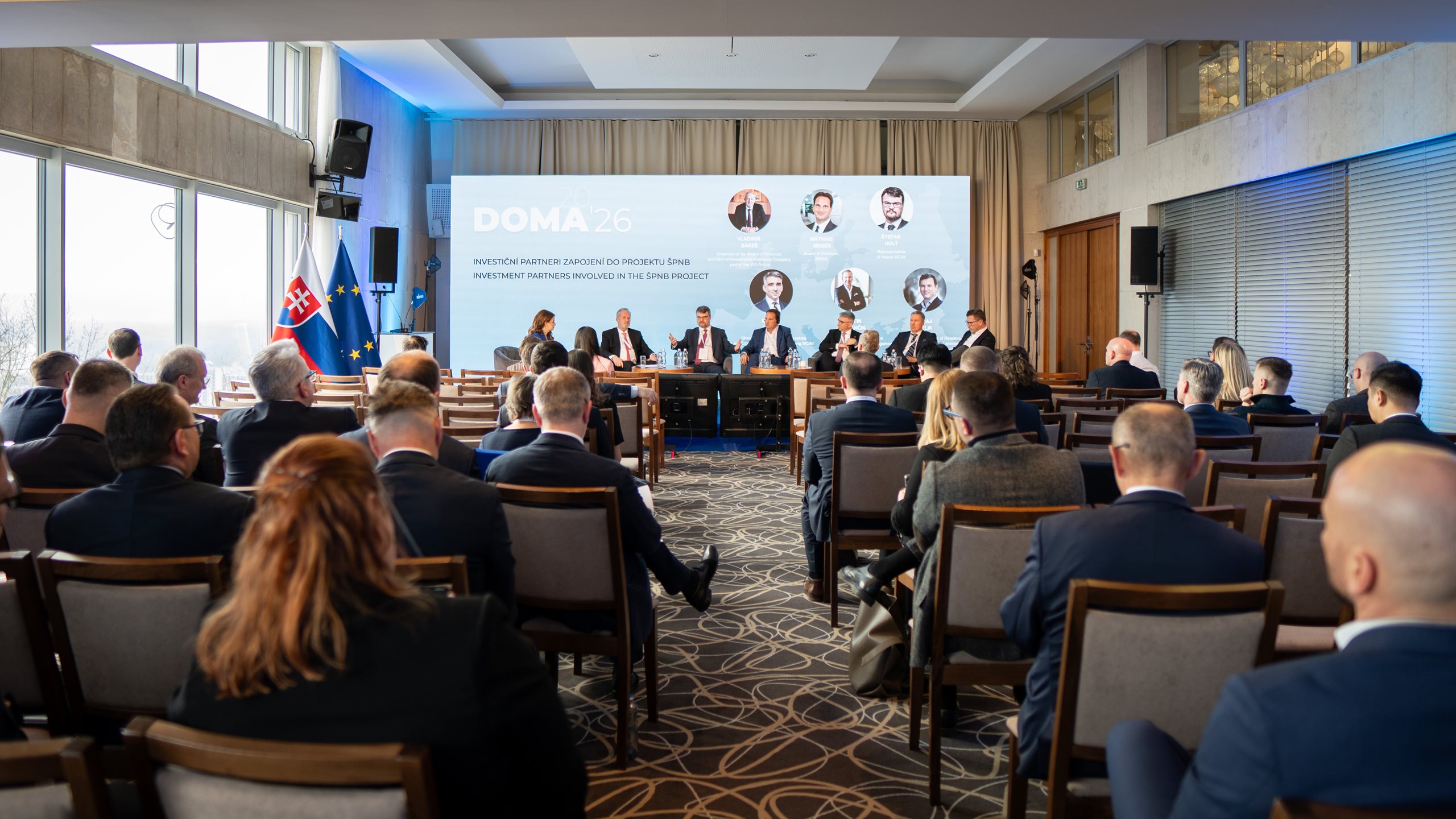
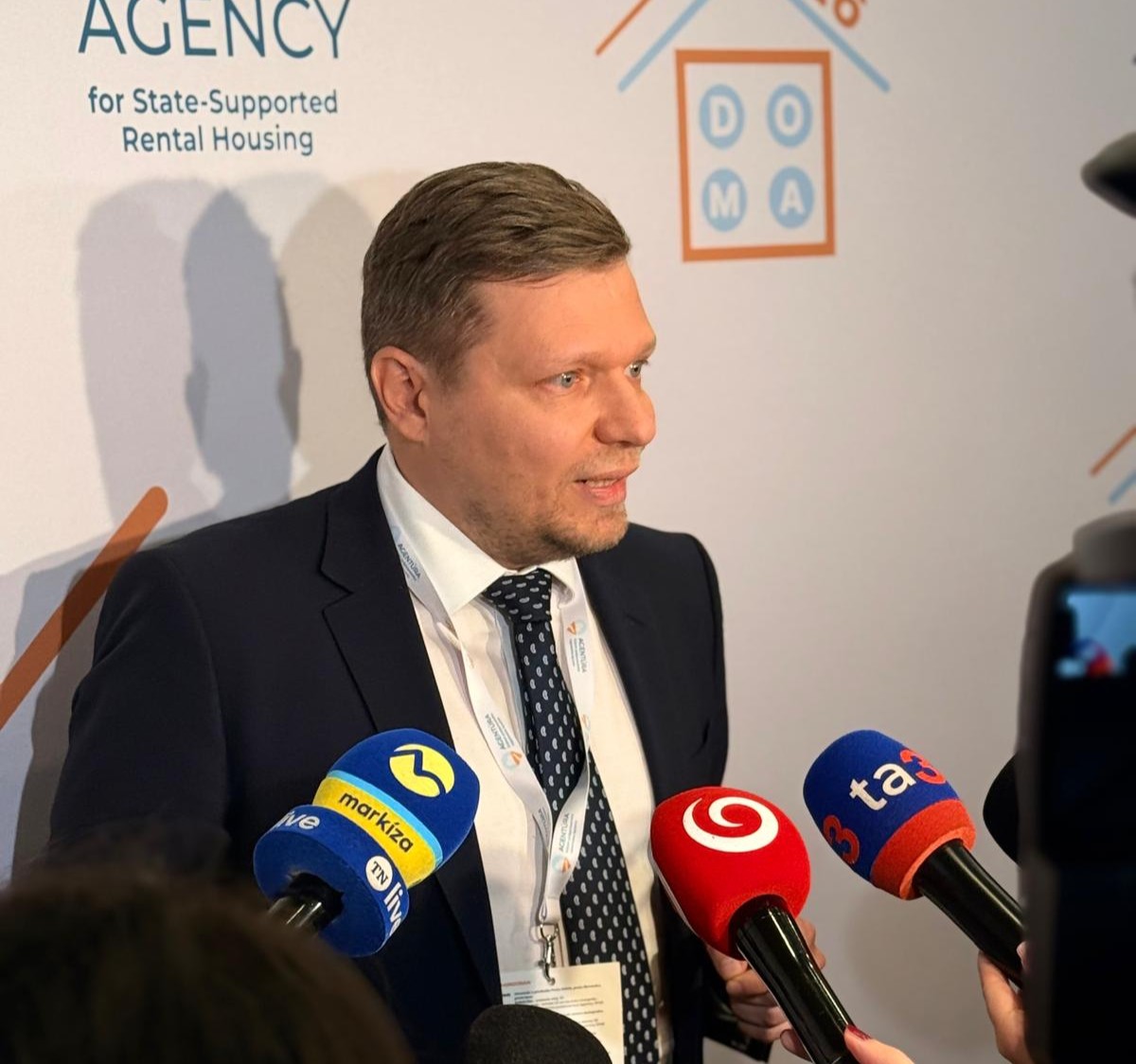
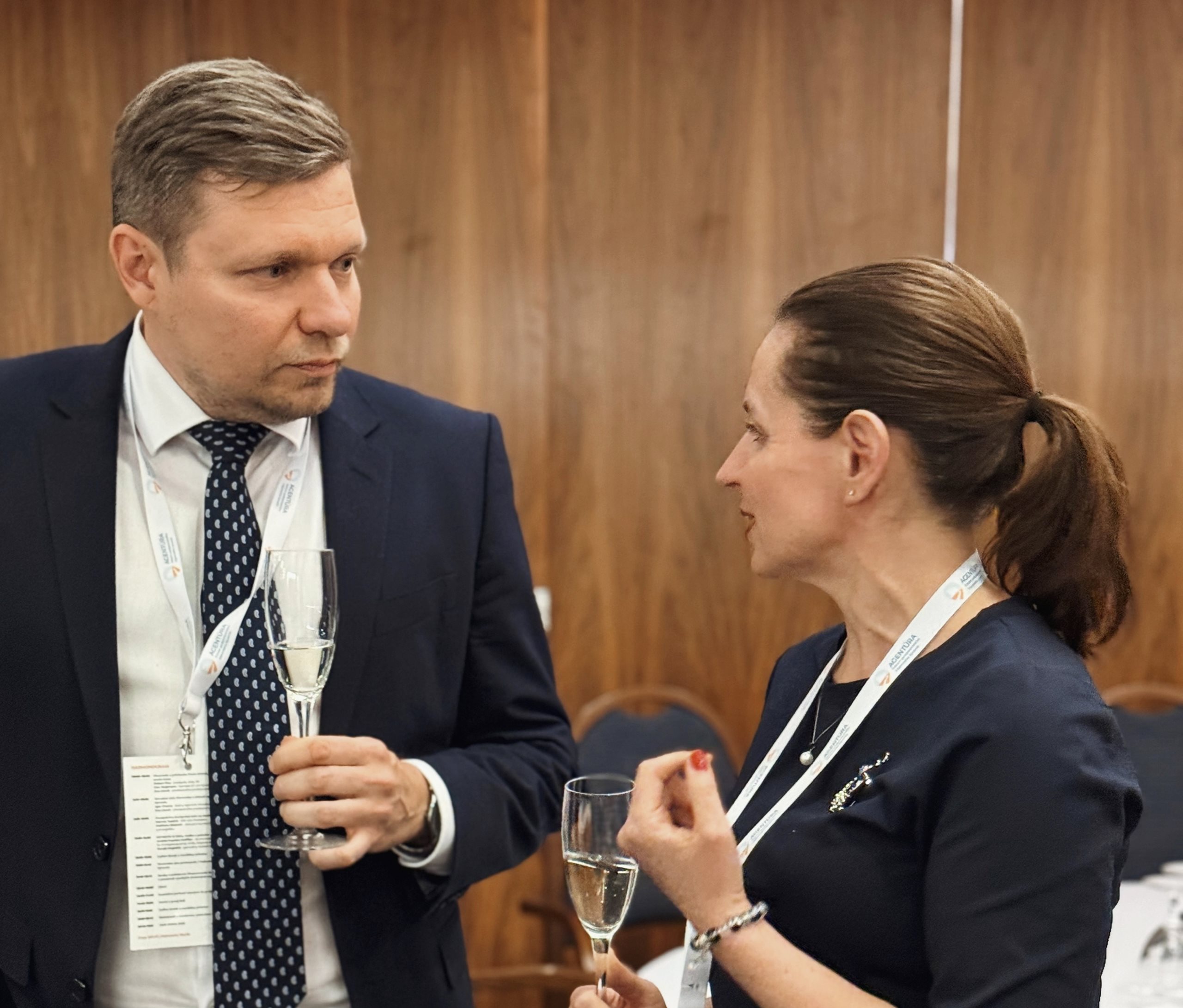
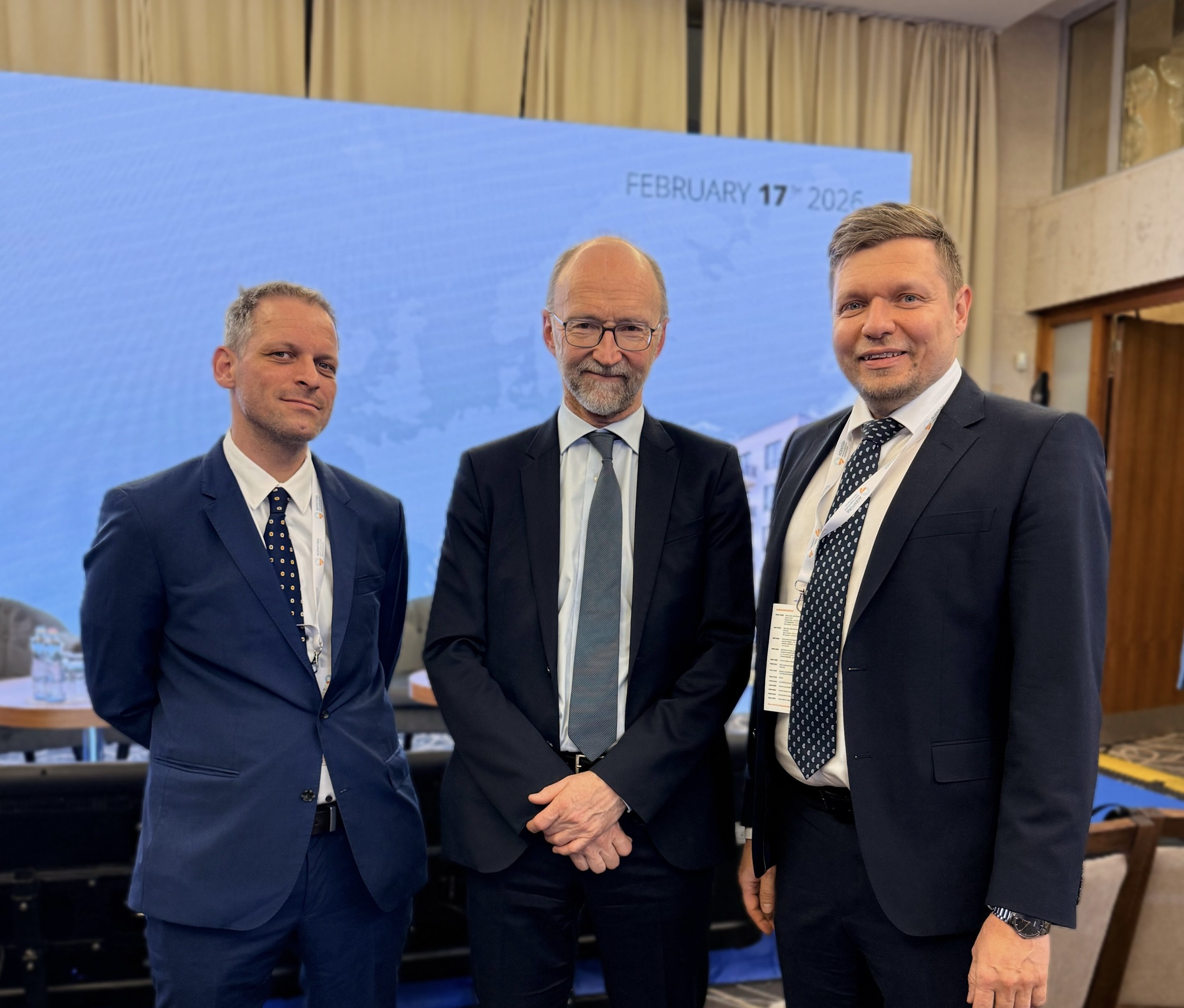
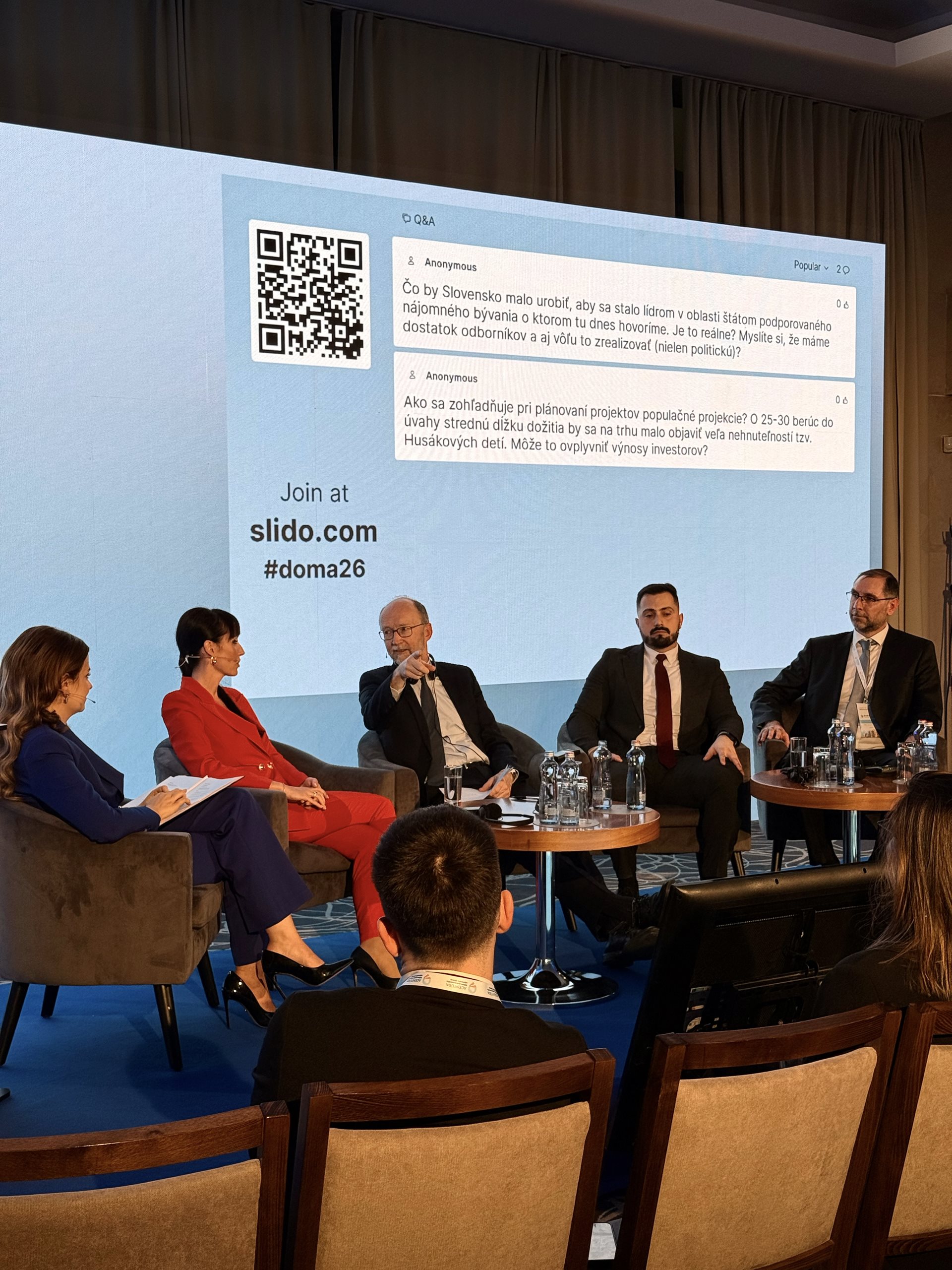
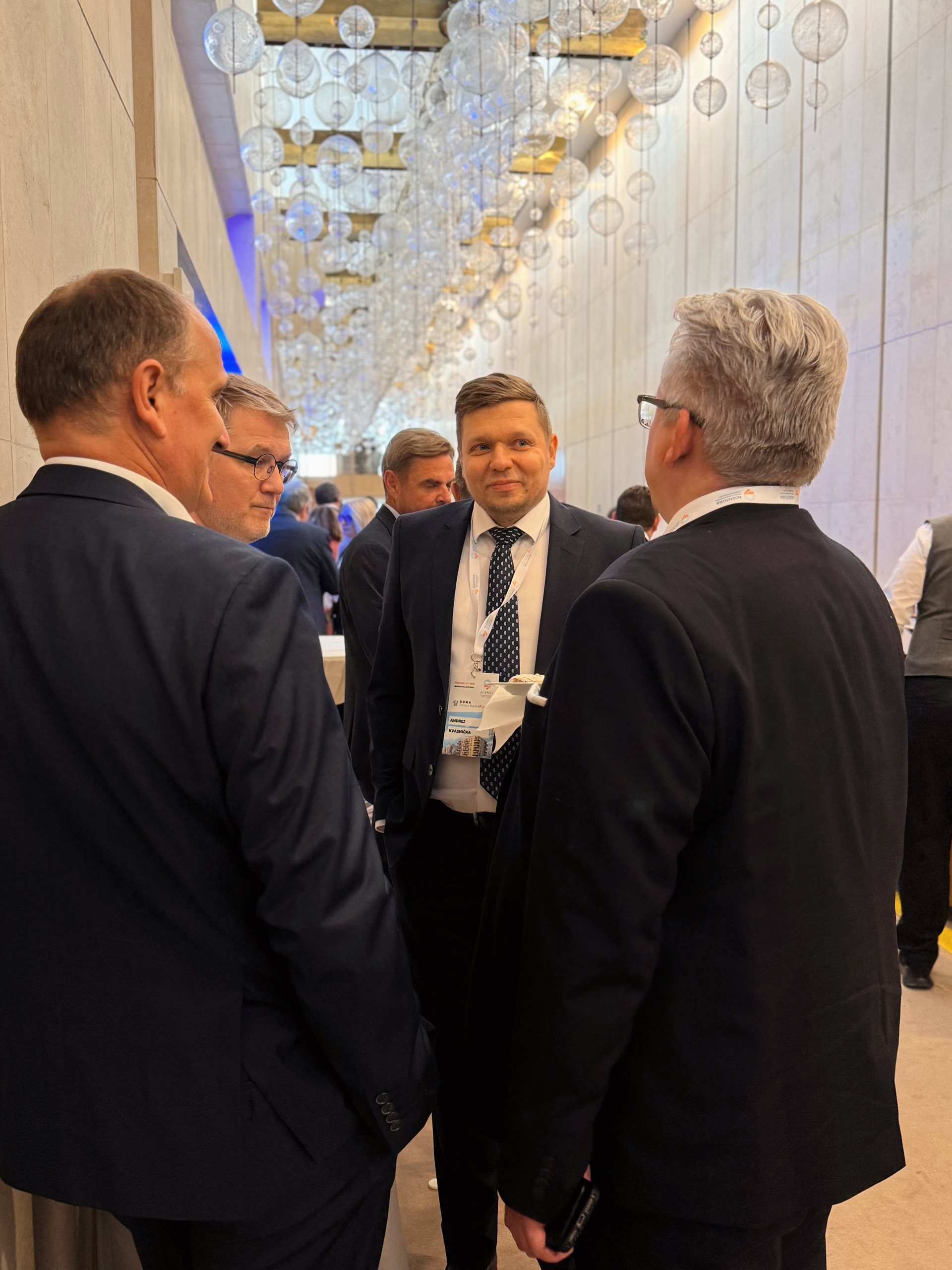
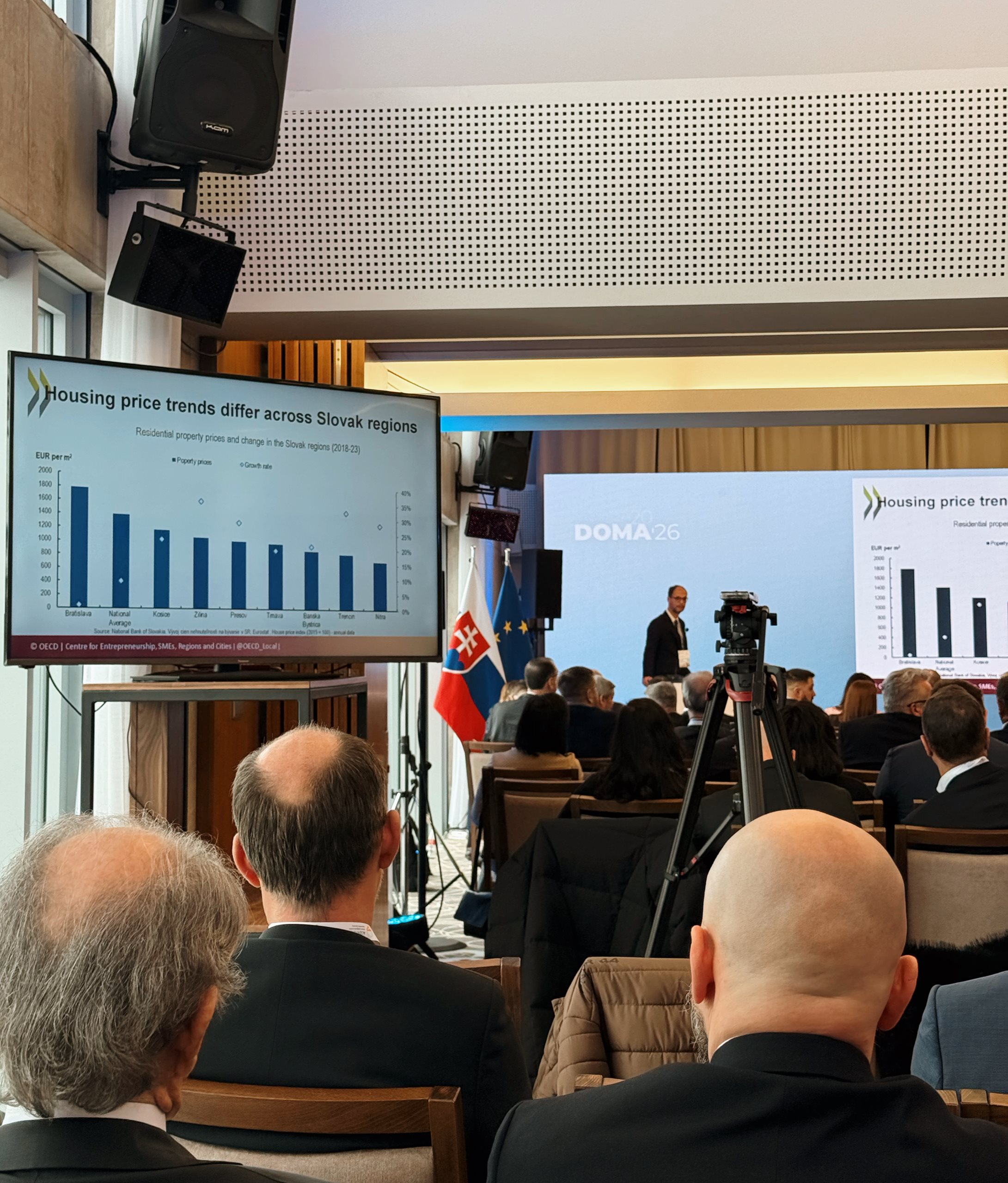
For this reason, Andrej Kvasnička, Tax Partner at BDO, took part in targeted discussions with leading financial institutions in Slovakia, as well as representatives of key European and international organisations (European Commission, OECD, EBRD, EIB), developers, and capital market stakeholders.
The debate focused on the practical dimensions of financing and investing in the rental housing model, its integration into the portfolios of banks, insurance companies, and institutional investors, and, more broadly, on how to structure the model in a way that ensures regulatory clarity, compliance with state aid rules, and long-term economic viability.
The future housing market is taking shape at the intersection of three forces.
It is precisely at the intersection of capital, regulation, and development that the future housing market is being shaped — a market built on:
-
predictability,
-
cost efficiency,
-
and stable, long-term returns.
At BDO, we have been actively engaged in this area for years — from designing economic and tax models, through structuring project financing, to ongoing discussions with developers, investors, and regulators — all with the aim of ensuring that this segment becomes a fully functional and sustainable part of the Slovak real estate market.
.jpg)