A new era of wage transparency: What lies ahead for Slovakia and the rest of Europe?
A new era of wage transparency: What lies ahead for Slovakia and the rest of Europe?
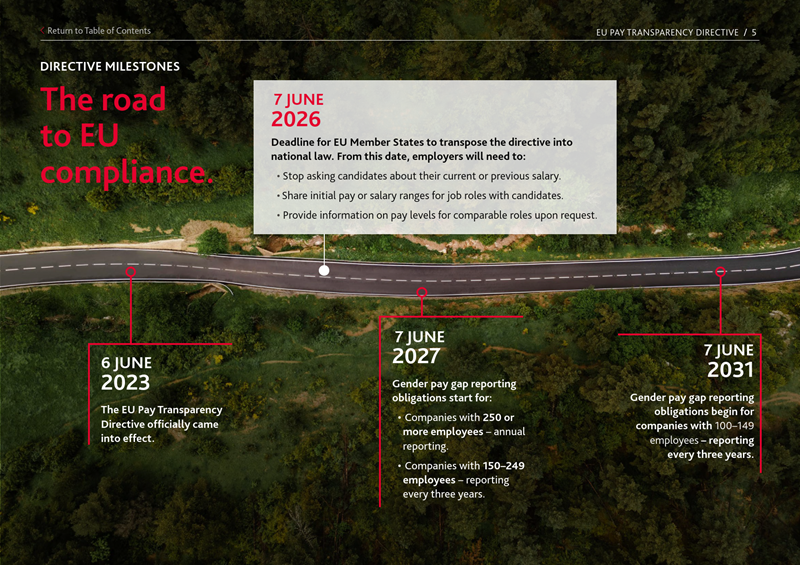
The European labor market is on the verge of a major change. The EU Pay Transparency Directive, which aims to eliminate the gender pay gap and strengthen fairness in the workplace, is becoming a reality. Member States have until June 7, 2026, to transpose these rules into their national legislation.
The key message for Slovak companies is that Slovakia is among the countries that are on track with implementation. The draft law on remuneration transparency was published in September 2025 and, following consultations, was submitted to the National Council of the Slovak Republic on January 7, 2026.
The Slovak proposal even includes specific elements such as a dual reporting model and annual reminders for employees about their information rights, which in some respects makes us a leader in terms of the strictness of the rules. Although it was originally planned to take effect on June 1, the current deadline for Slovakia is set for June 7, 2026.
What does the directive require from employers?
The directive introduces a set of obligations that will fundamentally change the recruitment process and internal communication about wages:
- Transparency in recruitment: Employers will have to provide information about starting salaries or salary ranges in advance. In addition, they will be prohibited from asking candidates about their previous salaries.
- Right to information: Employees will have the right to request information about their salary level and the average salary for comparable positions, broken down by gender.
- Regular reporting: Companies above a certain size will have to publish regular reports on the gender pay gap.
- Joint assessment of wages: If an unjustified pay gap of more than 5% is found, the employer will have to take corrective action in cooperation with employee representatives.
The situation in Slovakia: Are we ready for data?
Although the legislative process in Slovakia is progressing, this means a considerable administrative burden for employers. The Slovak draft law requires companies to align their pay structures with the new transparency framework.Data collection may be a critical issue for Slovak companies. According to experts, many employers currently lack sufficient internal data broken down by gender, job role, and years of service.
Without quality data, it will not be possible to fulfill reporting obligations or respond to employee requests for information.
How can you prepare today?
Although there is still some time before it takes full effect, we recommend not waiting until the last minute. Here are the steps you can take:
- Audit pay structures: Review whether your current compensation is discriminatory and based on objective criteria.
- Map positions: Identify "equal work" and "work of equal value" across your organization.
- Updating recruitment processes: Prepare to publish salary ranges and eliminate questions about salary history.
- Strengthening data foundations: Start systematically collecting compensation data so that you can easily report on it in the future.
In a brochure prepared by our experts at BDO Legal, we outline the current situation in countries across the EU and highlight important aspects that employers should consider when developing national frameworks.
The entire publication is available via the form below.